Showing posts with label interior design. Show all posts

Monday, October 30, 2017

Three ways to make a large home feel cozier

A home should be a place you’ll look forward to being in after a hard day’s work. It should be cozy for both the owners and the visitors. But it’s a challenge for some homes with large spaces to make theirs inviting. Here are three ways to make a large home feel homey: 

Image source: pinimg.com

1. Strategically place tall potted plants If your home has a tall ceiling, fill it with potted trees. As long as your room gets enough light to support the plant’s needs, you really can’t go wrong with adding a massive houseplant. 

2. Paint two-tone walls While tall potted plants are great for drawing the eye up, emphasizing tall ceilings, sometimes we want the opposite effect. Painting color on your walls only part of the way up creates a cozier feeling, tricking the eye into thinking the walls are shorter than they are. 

3. Go for oversized ottomans One of the most challenging aspects of a large living room is making an enormous seating arrangement feel cozy. It can feel a bit empty if there’s too much distance between the coffee table and the sofa. Choosing a big upholstered ottoman will close that gap and add softness at the same time. 

Image source : forbesimg.com

Hi there, Jonathan Bunge here. I’m an architect who loves well-designed structures. I’ve traveled the world to seek inspiration for my projects. Visit myblog for more reads like this.

Saturday, September 30, 2017

Smart home devices to invest in

From locks to switches to speakers, there are more gadgets to install than ever before. But are smart home devices really worth installing in your home? The answer is yes, and here are some devices that you can include in your home that will improve not only its security but its appearance as well: 

Image source: quertime.com


1. Nest learning thermostat 

Nest thermostats come in several anodized aluminum finishes and can be wall-mounted or placed on a portable stand. It communicates wirelessly to your boiler and can control radiators and water heating. The machine knows when you’ve left the house and switches to away mode to conserve energy. You can control it via smartphone and the internet. 

2. Nest Cam IQ 

Nest’s IQ is a security cam which is smarter and more advanced than your average CCTV system. Equipped with a high-quality lens and digital sensors, it can alert you and stream footage when someone intrudes your home. Smart programming allows it to zoom in on a person and follow it around the room. 

3. Philips Hue Ambiance starter kit 

The Philips Hue range is tremendous. But you can make do with the three bulbs included with the starter kit which you can control via wireless bridge unit. The bulbs can be set to 16 million different colors. Just pick the shade you like best. 

Image source : stackpathdns.com

Hi there! Jonathan Bunge here. I’m an architect by profession but I’m also a part-time interior designer. Visit my Facebook Page for more updates like this.

Thursday, March 30, 2017

The marriage of film and interior design

Interior design is one of the aspects of production design in film. An intricately designed set can change entire sequences. What once was bland and dreary can immediately become fantastic and whimsical if the right colors are used. An ordinary abandoned warehouse can look ominous and mysterious with the addition of a few fixtures. Sometimes people take for granted the interior design they see on film. 

Image source: hookedonhouses.net 

Take for example the immensely popular 90s sitcom Friends. One of its biggest appeals is that people find it incredibly comfortable to watch. The same goes with today’s The Big Bang Theory. What’s the one thing both sitcoms have in common? Their interior design. The apartments in both shows are colorful, bright, and cozy. They also look affordable, making viewers say, “hey, I want to live in a place like that.” 

The interior of Colorado’s Stanley Hotel was the set for the Stanley Kubrick horror masterpiece, The Shining. What started out as a magnificent and majestic vacation hotspot slowly turned into a gothic, terrifying maze with no exit in sight with just the change of lighting, and a few choice shots of really long corridors. 

Even fantasy and science-fiction movies such as The Lord of the Rings and Star Wars sagas, and television shows such as Game of Thrones owe a lot of their otherworldly allure to the magical art of interior design. Interior design is an integral part of a film that transports people to make believe realms. 

Image source: youtube.com 

Hey there. I'm Jonathan Bunge an architect, but I also do interior design. Subscribe to this Twitter for more on the stuff I love.

Wednesday, September 28, 2016

A Curated Home: Choosing Art For Your Living Space

Choosing art for a room requires as much planning as selecting the paint color and picking out the furniture. Having the right artwork in the room will complete the look, make it more attractive, and somehow more comfortable. But what guidelines are there for selecting art pieces for a room?

Image source: shoestringstylist.com

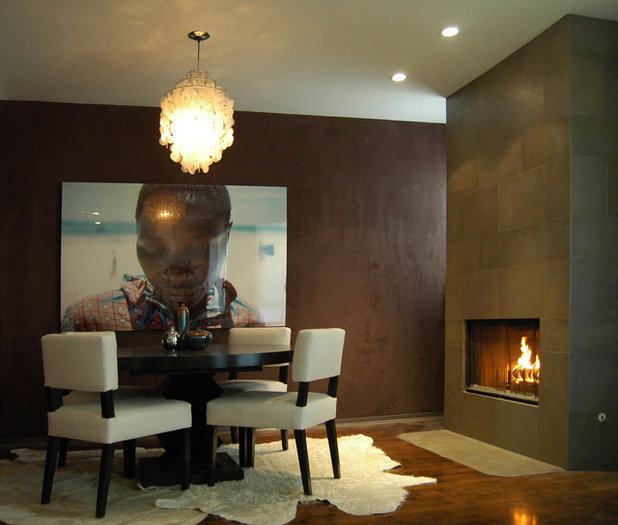
One of the most important things to consider when buying art for the room is whether the piece is something one could look at every day. Sure, you might be purchasing a painting by a renowned artist but if you think the subject's haunted expression might depress you when it's hanging in your living room, choose something else.

Image source: houzz.com

Aside from picking something that makes you happy and relaxed, the painting or sculpture should "pop," not melt into the background. The whole idea behind adding an art piece to a room is to give it visual interest and make the space more exciting. Good, high-quality frames, glass, or display tables are a necessary indulgence to highlight the artwork. It's also important that the piece gets proper lighting so it can be appreciated properly.

A good rule of thumb to consider when selecting paintings or posters to hang is to use the wall's length and width as a guide. For example, if the wall is horizontal, hang a horizontal painting or use a wide layout for several small pieces. If the wall is tall, a long vertical painting or decorative fabric will look great on it. This tip will make a room look bigger than it really is.

Choosing artwork for the home may require a lot of contemplation but what's essential to having a properly curated home is finding pieces that truly speak to you, the homeowner – after all, you'll have to live with the artwork day in and day out.

Architect and interior designer Jonathan Bunge, in the house. Check out my Twitter account for short updates on building and design.

Tuesday, January 26, 2016

Minimalist interiors: Why less is more for the modern home

image source: decor4all.com
Not many homeowners appreciate the beauty of a minimalist home. But with the busy lives we live today, minimalism is a promising and practical trend for the modern individual.

Minimalist interiors need not be a mattress-and-chair kind of design. While that is indeed the extreme version of it, the minimalist interior design can also reflect the home owner(or designer)’s creative streak through eye-catching pieces that are not cluttery.

The minimalist style traces its roots to ancient Asian civilizations, mainly China and Japan. In Asia, most people are taught to live with less clutter. Even in modern Asian locations, not everyone sleeps on a bed and eats on a dining table full of chairs.

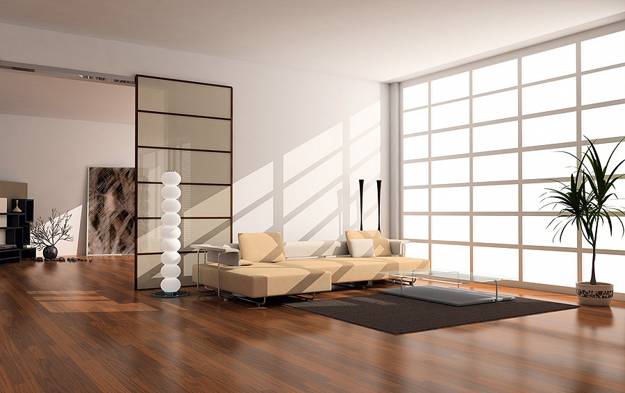
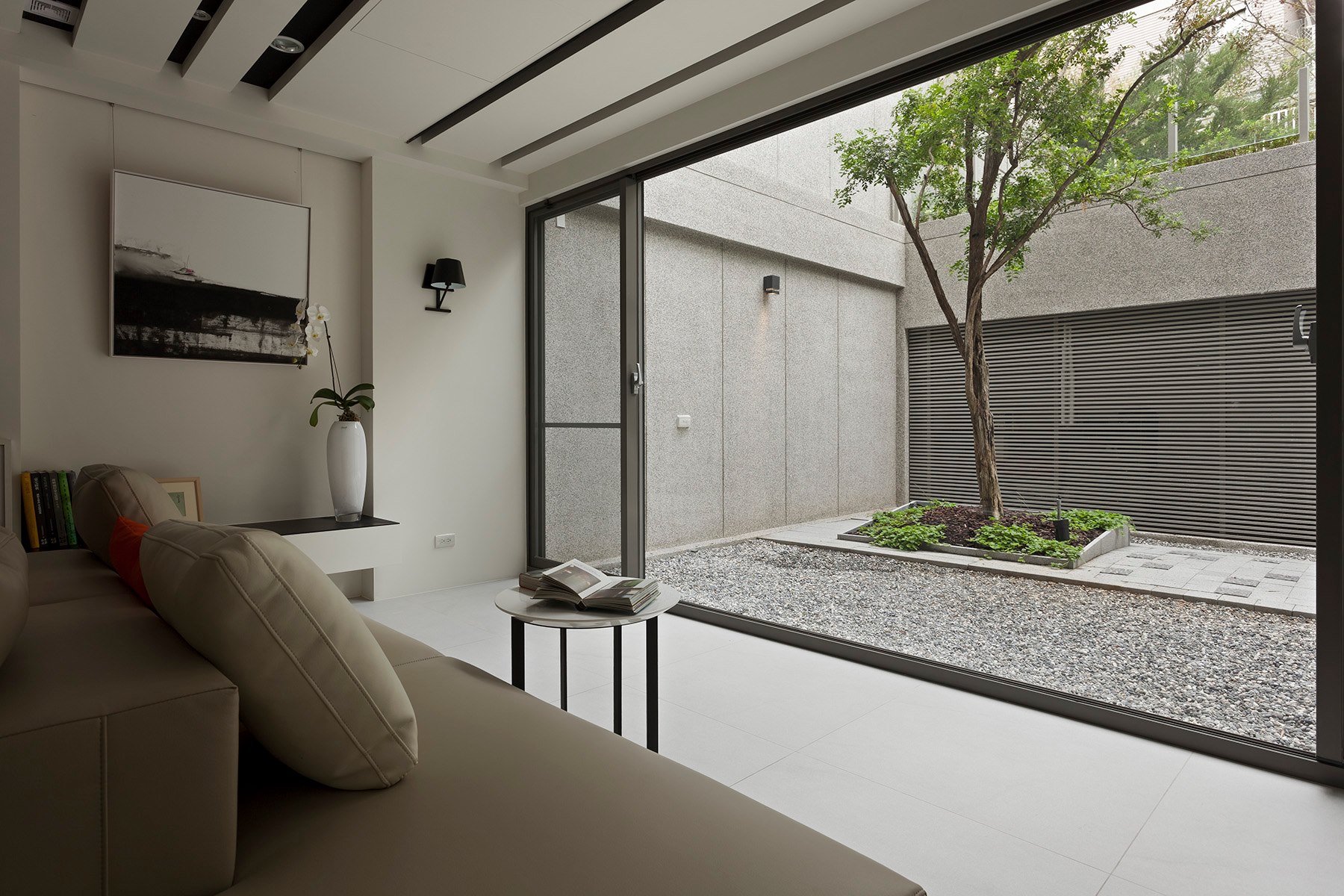
When you incorporate minimalist values into your home, you save a lot by promoting natural lighting and less furniture. The abundance of light is a key feature for minimalist designs. Doors and windows are usually transparent or translucent—as long as they welcome light into the interiors.

image source: home-designing.com

Asian minimalist design features a lot of connection with the nature. For central pieces, you can settle for a relaxing wall painting or a tranquil water feature. Some Asian interior designers also put wooden statues with cultural significance on some of their home projects.

Jonathan Bunge here. Know more about architecture and interior design trends when you visit this blog.

Monday, January 18, 2016

Five Awe-inspiring Websites for Design Inspiration

There are times when creativity and talent are not enough to produce a good architectural design. Despite being in the business for years now, I still find myself hungry for that special “something” to get my train of thought running. And so, like everyone else, I browse the Internet for inspiration.

For those in need of design inspiration, these websites are highly recommended:

Archiphile (www.archiphile.tumblr.com). While the blog owner remains anonymous until this day, his page, which contains hundreds of interesting building designs from different countries, has inspired thousands of designers throughout the years.

Image source: lifewithoutbuildings.net

ArchDaily Error! Hyperlink reference not valid. architectural website that probably attracts the most traffic in the world, ArchDaily provides readers almost anything architecture—from news and features to the latest designs and trends in the industry.

Houzz Populated with user-uploaded content (mostly photos), this website does more than selling various products online. You’d be surprise on what you can actually find here.

Image source: cascadecoil.com
Apartment therapy. I consider this website more of an online magazine with much content about style and DYI features. I recommend this to those who are more methodical with their concepts.

Abitare. The website is owned by one of the world's best known design magazines, Abitare, which has been running since the 60s. Apart from architecture, the website also focuses on interior design, furniture, product design, and graphic arts.

These websites, which I consider my style bibles, have helped me through rough times. I hope they can help you, too.

I am Jonathan Bunge, an architect and a lover of art. Follow me on Twitter for discussions on structure and design.