Wednesday, September 28, 2016

A Curated Home: Choosing Art For Your Living Space

Choosing art for a room requires as much planning as selecting the paint color and picking out the furniture. Having the right artwork in the room will complete the look, make it more attractive, and somehow more comfortable. But what guidelines are there for selecting art pieces for a room?

Image source: shoestringstylist.com

One of the most important things to consider when buying art for the room is whether the piece is something one could look at every day. Sure, you might be purchasing a painting by a renowned artist but if you think the subject's haunted expression might depress you when it's hanging in your living room, choose something else.
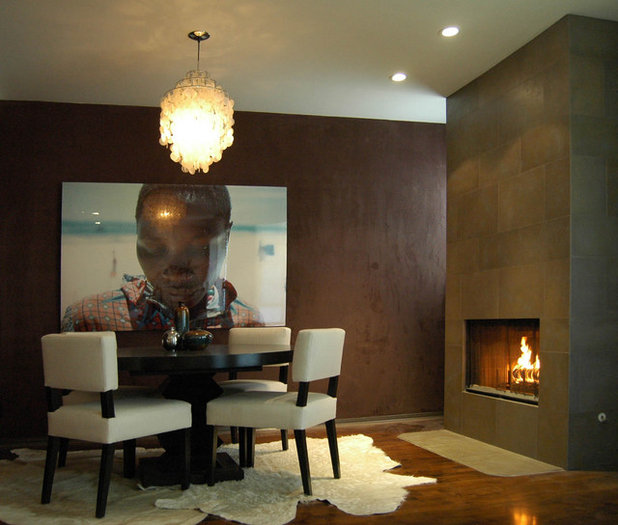
Image source: houzz.com

Aside from picking something that makes you happy and relaxed, the painting or sculpture should "pop," not melt into the background. The whole idea behind adding an art piece to a room is to give it visual interest and make the space more exciting. Good, high-quality frames, glass, or display tables are a necessary indulgence to highlight the artwork. It's also important that the piece gets proper lighting so it can be appreciated properly.

A good rule of thumb to consider when selecting paintings or posters to hang is to use the wall's length and width as a guide. For example, if the wall is horizontal, hang a horizontal painting or use a wide layout for several small pieces. If the wall is tall, a long vertical painting or decorative fabric will look great on it. This tip will make a room look bigger than it really is.

Choosing artwork for the home may require a lot of contemplation but what's essential to having a properly curated home is finding pieces that truly speak to you, the homeowner – after all, you'll have to live with the artwork day in and day out.

Architect and interior designer Jonathan Bunge, in the house. Check out my Twitter account for short updates on building and design.

Wednesday, September 14, 2016

Timeless Bedroom Designs for Girls

When designing a bedroom for girls, I always think of the next few years. Will that little girl still like her room when she reaches her teenage years? Even if most girls are into pink and purple when they’re usually in their elementary school or middle school years, their choices radically change when they reach their teens. They also begin to form their own preferences for their belongings, which is why I like installing furniture that can be easily modified through the years.


Image source: Firstclasstur.com

I like encouraging young girls to choose three to five colors that they like. Even if it’s clashing, I try to find ways to incorporate those colors in the interiors. If they are into fiery oranges and flaming reds, I tone down the hues a bit so it will work well with plain tones such as ecru and white.

Surprisingly, shades of pink, purple, blue, and green never go out of style. These four colors are also very easy to match with each other. And when a young client chooses one of these colors for the walls, I usually match white or off-white furniture to make it pop. Choosing pastel colors, in my experience, has worked for so many of my clients. They enjoy the femininity and the flexibility of these colors. On the plus side, these tones go well with the décor that they want put up in their room. Posters, framed photos, fairy lights, lamps, and even beanbags make the room more appealing.

As an interior designer, I like it when my clients have a vision of what they want their space to look like. You know what? My young clients make my job easier because they have very good ideas for their own rooms and they’re very sure of what they want.

Image source: De-index.com

 I’m Jonathan Bunge. I believe that design is life, and my job as an architect and interior designer proves my penchant for the craft. Let’s keep in touch on Twitter.

Thursday, July 7, 2016

A Guide To Deciding Between Blinds And Curtains

Window treatments are an important consideration for any home owner. A fairly common question many interior designers are asked is which one to get: curtains or blinds. There are two things to factor in before making this decision: 

The first is price and cost efficiency. Curtains come in every style, color, and material but are typically more expensive than traditional blinds. Furthermore, regardless of the material they come in, curtains require more maintenance. Home owners have to be prepared to regularly clean their curtains at least once a week to maintain their pristine condition. If the curtain is made from heavier material, these would need to be washed regularly as well. However, because they are made from fabric, they are less likely to tear or be broken. In the long run, they could be considered the cheaper option. Nevertheless, homeowners have to carefully determine the lengths they are willing to go to maintain their curtains. 

Image Source: idealhomegarden.com

The next is personal style. There are standards in interior design which the home owner can choose to forgo. For example, ceiling to floor windows are generally recommended to be covered by a curtain – not only for purposes of design but because curtains would be better able to block out light and keep the area better covered. Blinds, on the other hand, are better suited for smaller windows. There is also a quirky and modern feel to blinds which traditionalists may not like. Again, choosing between the two is also based on what the feel the room is meant to have. 

Image Source: houzz.com

An interior designer would be able to help the homeowner properly decide which window treatment would serve best for the house and/or specific room. 

With my new job in Chicago, I, Jonathan Bunge, have seen more ways to apply my interior design skills to my architecture career. A lot of my experience is now based on helping home owners make their houses more beautiful with easy tips. To learn more, follow this Twitter account.

Wednesday, June 15, 2016

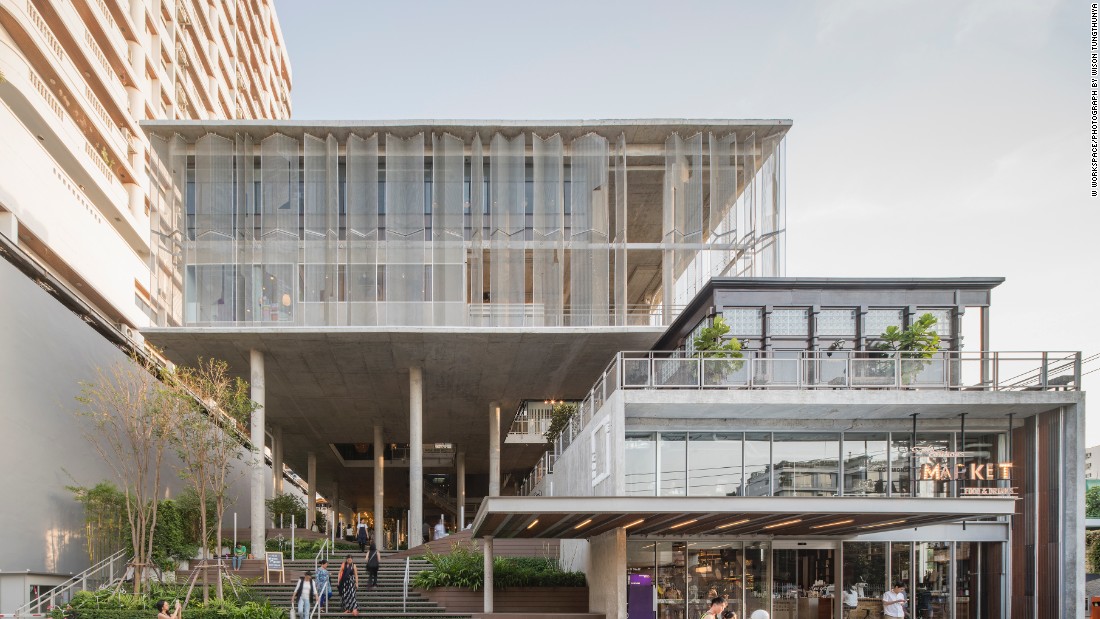
World Architecture Festival: Celebrating Design Innovations Around The Globe

As a way to honor the ingenuity of designers around the world, the World Architecture Festival will be held this November at the Arena Berlin in Germany. The festival committee announced 343 projects from 58 countries as finalists. These projects will be divided into 32 different categories. Winners will be chosen by reputable artists, such as Kai-Uwe Bergmann (BIG), Louisa Hutton (Sauerbruch Hutton), David Chipperfield, Ole Scheeren, and David Basulto EIC of ArchDaily. Winners will receive permanent listing on the World Building Directory and gain international recognition. 

Image source: CNN
 
World Architecture Festival is an annual competition for members of the architecture industry. Contestants vie for awards in 32 different categories, with the World Building of the Year title being the most prestigious. It started in 2008 and is aimed towards celebrating and sharing architectural excellence from across the globe. The very first competition was held in Barcelona where Grafton Architects’ Universita Luigi Bocconi in Italy was declared as the Building of the Year. Bjake Ingels Group from Denmark won the Housing of the Year with their design of the Mountain Dwellings.

Image source: CNN
 
This award-giving body is a great boost to the architecture industry and a great way to reward young and talented designers and artists of all backgrounds. Art is truly an emotional experience and the field of architecture is seeing more remarkable innovations today which makes the place we live in more sustainable. 

Hello. I’m Jonathan Bunge, currently based in Chicago, Illinois. An architect myself, I dream of being part of this festival someday. For now, we could just talk more about it on Facebook.

Sunday, May 22, 2016

Two Ways To Improve Ergonomics In The Office

Image Source: editorstop.com
Business owners are now taking a keen interest in improving their company’s workplace to save money. That may sound initially confusing, but many entrepreneurs are now seeing the benefits of developing a more ergonomic office. It is widely known that keeping a passive lifestyle does not improve health. The body needs to have at least a few hours of active moment to maintain peak physical condition. This is difficult for office employees, who are often asked to sit eight hours a day in front of a computer. Keeping such position for hours places a strain on one’s lower back and may lead to muscle cramps or strains.

Left uncorrected, employees may develop a weaker immune system. This increases the potential for sicknesses that may result in more unplanned leaves. Sick leaves and absences can impact the strength of company revenue. Business owners recognize this and have now tapped the help of their interior designers to improve workplace settings.

Ergonomic improvement is based on one’s current setup. There are, however, two simple ways that offices can improve ergonomics. The first is to create forced break times. Offices may opt to purchase specially-built chairs that cradle the back and improve spine position. This helps a lot yet an important factor in body health is exercise. Individuals should be allowed a 15-minute break for every four hours. Employees should be encouraged to stand up and walk around to stretch the legs and relax the eyes. This simple step alone could prevent a myriad of illnesses and conditions. Secondly, companies should consider the potential effects of light and color. There are new psychological data that links interior design to productivity and overall wellbeing.

A qualified architect should be able to work with a company’s current environment and create improvements to improve employee health.

My name is Jonathan Bunge and I am an architect. For more design inspirations, follow me on Twitter.

Tuesday, May 10, 2016

Structured History: The Architecture Of Buildings In Berlin

Berlin is one of the European cities I admire when it comes to architecture and design. The city, which has been preserving sites from the 17th century is a testament to the ever-evolving trends in designing structures. When I visited the city, I was amazed to see that for every change in the form of government, there would be a particular building for it. Going around the city is a history and architecture field trip rolled into one.

http://www.rtours.co.uk/images/upload/99066L.jpg

Image source: Rtours.co.uk

My first stop was the Museumsinsel or the Museum Island, a UNESCO World Heritage site boasting of five museums built from 1830 to 1930. The classical design is a timeless model with an intricate design that did not spare even the exteriors of grandiose sculptures that are larger than life.

Next, I went to the Reichstag building. When the reunification happened, the Germans restored the building, which officially became the venue for the parliament. Luckily enough, I was able to enter the glass dome that provides a good view of the whole city. It was a breathtaking sight. The modernistic glass dome complements the classical design from generations ago. The design nerd in me got a good glimpse of how innovations can improve old structures.

https://blogger.googleusercontent.com/img/b/R29vZ2xl/AVvXsEiqMjMVatJIQmGjzm7SIdLZVuUqDkx5B34MdC0fvfSOkDG-7i6phET9HJDJTWCoQ36TjDPJ3L7Jx95h-2PNZs_4RT3yDtlW3vv84PXLJjFK6v0M_-uQWVkqn7D_EtIrCg_6vjZzRCoZhkrg/s1600/Berlin_TV_Tower_at_Night_Amazing_Fernsehturm_Germany_HD_Desktop_Wallpaper_citiesoflove.blogspot.com.jpg
 Image source: Citiesoflove.blogspot.com

Another site that caught my attention was the Fernsehturm or the TV tower, the tallest structure in Germany. It could also be one of the sites that characterize Berlin. The building that has a dome in the middle is another inspiration for architects like me. With a revolving restaurant, the place provides diners with a 360-degree view of the city. Even from my hotel room window, I can see the tower and its quirky design.

There are other sites I visited when I stayed in the city. It really is a wonderland for design and art geeks like me. There’s so much Architecture I’d be happy to dive into. On my next visit, I would definitely explore Cologne and Munich.

I’m Jonathan Bunge. I believe that design is life, and my job as an architect and interior designer proves my penchant for the craft. Creative juices flow easily as long as I surround myself with artsy ideas. Do you have a passion for architecture? Let’s keep in touch on Twitter.

Sunday, April 24, 2016

Download now: 5 must-have apps for interior design

In a world where people rely on their smartphones for daily life, are there any apps for an interior designer? Of course, there is; there's an app for everything! And these are just some of the most useful ones you need in your career: 
 
http://aptgadget.com/wp-content/uploads/2015/05/apps-december-28-houzz-interior-design-ideas-121227.jpg
Image source: aptgadget.com
Houzz 
If you're looking for home design inspiration, then Houzz is the app you're looking for. The app provides photos of every kind of room, any product or location to help you find what you're looking for, for your interior. It also has a directory for local designers, contractors, and architects. 

Pinterest
Similar to the functionalities of Houzz, Pinterest is your go-to app for finding inspirations and designs from all over the World Wide Web. Pin your favorites so you can easily access them later. Although this app is not exclusively for interior design, with the right key words or search phrases, you will find what you're looking for. 

https://blogger.googleusercontent.com/img/b/R29vZ2xl/AVvXsEgj8fEibuW285iav3O3uH0bcNcUWaJohCnn4XLxJ8nNiU3RAJ6qRdg709YKOjchFGmUb9VLKgRyWnyXU1W2YfX9YGtuPHyHhUSFFqgBbcglJ_Oelqj2B7rf6za-AF6J7D2zdngHkiJFK0U/s1600/color+capture+benjamin+moore+paint+picker.jpg
Image source: drivenbydecor.com
 MyPantone
Pantone is the expert when it comes to color. With this app, you can browse over 10,000 colors in the pantone library. It also gives you color options to match the color you want. 

Color Capture
Color Capture is an app that lets you take a picture of anything and helps you identify the color from the Benjamin Moore paint color palette. You can find color inspiration anywhere and everywhere with this useful app. 

MarkOnCall
MarkOnCall is an app for both consumers and interior designers. It's very useful for space planning and designing rooms. Know when a piece of furniture is too big for the room or whether a table matches your couch – this awesome app eases your worries on both logistics and aesthetic. 

Hello! I'm Jonathan Bunge and I love interior design. Subscribe to my blog for more tips on aesthetics and other areas of home design.